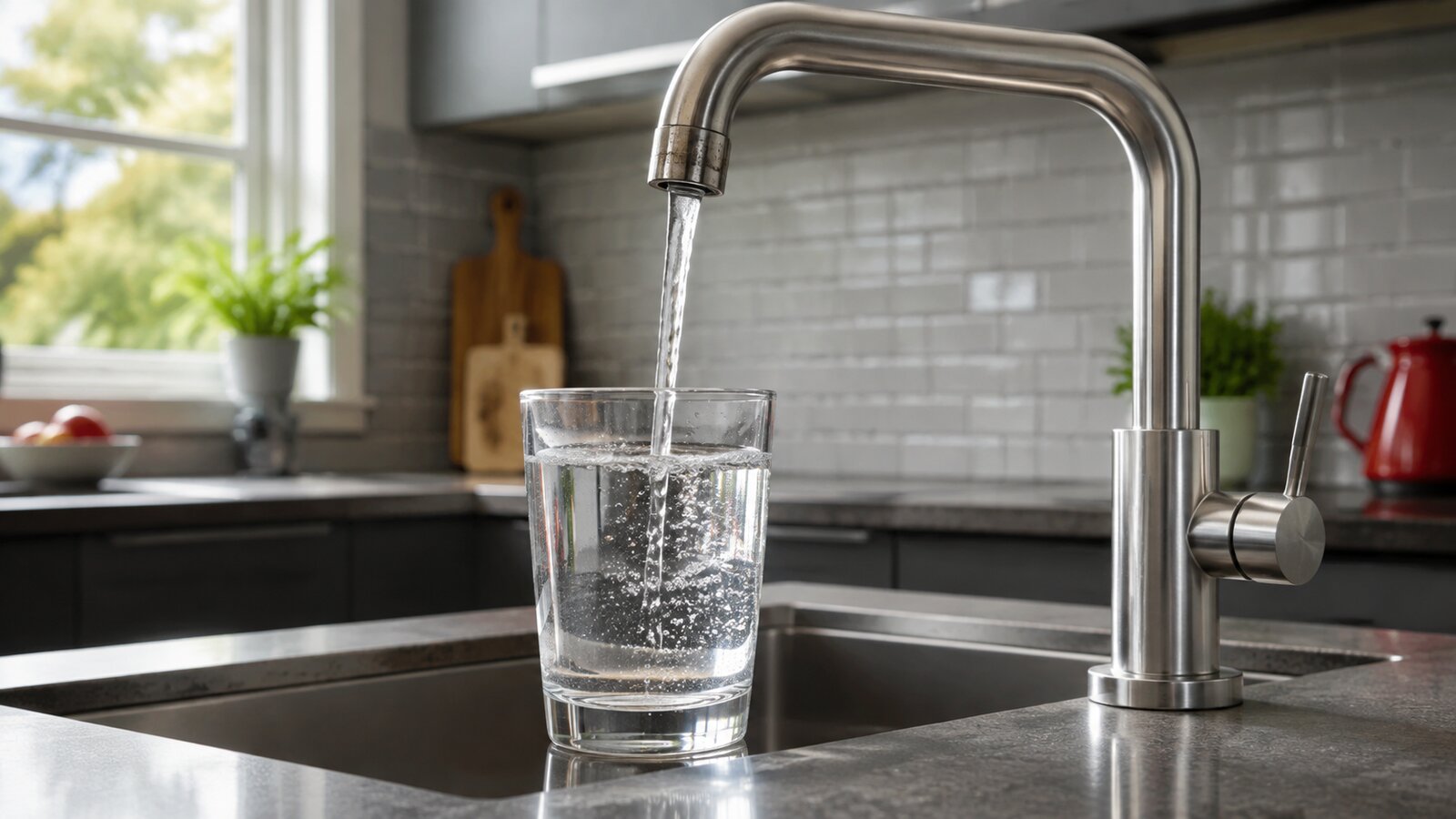
Before you mortgage the house for a basement-sized purification spaceship, take a breath and find out what the water is actually telling you.
By Scout · Steve The Plumber
Listen, pal. If your tap water suddenly starts looking like a swamp or tasting as if you licked a copper penny, do not go hyperventilating and checking your will. Put down the filter brochure and use that hard object resting on your shouldersâyour brain.
Water does not just go rogue for the fun of it. A change can start in the municipal system, the service line, the water heater, a faucet or the pipes inside your house. Same symptom. Several possible culprits.
So before you mortgage the place to install a high-tech, gold-plated purification spaceship in the basement, let us figure out what is actually happening.
Scoutâs first rule: Stop guessing, check the facts and spend money second.
1. Stop Guessing and Check the Facts
Before you spend a dime, run four simple checks. You need a few taps, a clean glass and enough patience to notice what happens.
- One tap or every tap? If only the bathroom sink is acting up, start with its aerator, faucet and nearby piping. The municipal water main rarely develops a personal grudge against one sink.
- Hot or cold? If the funk appears only on the hot side, point the investigation toward the water heater or hot-water piping.
- First draw or all day? Does the problem show up after the water sits overnight, then improve once it runs? That points toward water sitting in the house piping, although it does not tell you exactly why.
- Just you or the whole block? Check utility notices and ask a neighbour. If their water is fine, the odds tilt toward something inside your property. It is not a conviction, but it is a useful clueâand one of the few times borrowing a cup of water makes more sense than borrowing sugar.
2. The Usual Suspects
Cloudy Water
If it looks like skim milk when it first enters the glass but clears from the bottom upward, tiny air bubbles are often responsible. They are dramatic, but they usually leave the scene on their own.
If the water stays cloudy, contains visible particles or leaves grit in the aerator, you may be dealing with sediment or material from the plumbing. Time to investigate. Running the tap until the evidence disappears can clear the symptom without solving the cause.
White Scale and Mineral Buildup
If the faucets and shower glass look as though somebody shellacked them in chalk, that is standard-issue hardness scale.
EPCOR says Edmonton water averages approximately 165 mg/L as calcium carbonate and is moderately hard. Hardness is mainly an aesthetic and equipment concern, not a public-health crisis. It can leave scale and make water-using equipment work harder.
Test first. Treat second. A softener, carbon filter, sediment filter and reverse-osmosis system do different jobs. Buying one blind is an excellent way to own an expensive machine that faithfully solves the wrong problem.
Funky Colours
Yellow, brown or reddish water may mean iron, pipe corrosion, disturbed sediment or work on the water system down the street. Blue-green staining may point toward copper corrosion.
Health Canada notes that red-water events can release accumulated contaminants. So do not assume discoloured water is merely ugly. Until the cause is understood and its safety is confirmed, leave taste-testing off the schedule. Period.
Weird Tastes and Odours
Metallic, earthy, chlorine-like or rotten-egg smells can come from several places. Fill a clean glass, walk away from the sink and smell the water there. You are trying to smell the water, not the sink trap that has been collecting evidence since Tuesday.
Then compare hot and cold water at more than one fixture. If the smell stays at the sink instead of following the glass, the drain may be the culprit. If it appears only in hot water, the hot-water system moves higher on the suspect list.
3. A Word on Lead
Lead is a lousy houseguest. It has no taste, no smell and no warning label.
EPCOR reports no measurable lead in Edmonton drinking water when it leaves its treatment plants, but lead can enter at the tap through a lead service line, older solder or certain plumbing fixtures. If you are worried, testing is the only reliable way to know. Staring suspiciously at the glass will not help.
The Bottom Line
Do not guess, and do not let a slick salesman talk you into buying a filtration system you do not need. Compare where the problem appears, note when it happens and test the water before you spend your hard-earned cash.
A basic water-quality screening can identify useful indicators such as hardness, pH and visible sediment. It cannot certify water as safe to drink or replace laboratory testing. If a health contaminant, private water supply, boil-water advisory or unexplained colour or odour is involved, use the water utility, Alberta Health Services or an accredited laboratory for the proper test.
Scoutâs Takeaway
Water acting strange? Wonderfulâjust what every homeowner wanted with breakfast. Check which taps, compare hot and cold, and test before you treat. Otherwise, somebody with a glossy brochure will ring your doorbell and diagnose the one problem they are certain you have: too much money in your wallet.
Need a Professional Set of Eyes?
Steve The Plumber can perform a basic water-quality screening, inspect the plumbing and tell you what the sensible next step is.
When health contaminants are on the table, we will tell you straight: contact EPCOR, Alberta Health Services or an accredited laboratory.
Request service or submit an appointment request.
Call Steve The Plumber at (780) 243-7406.